
People sometimes ask me a fair question about Hope Over Crisis. If a church helps a family after a flood, how do we know that family is genuinely interested in Jesus? How do we know they don’t have mixed motives? They may just need food, clean water, or a safe place to sleep.
They may. And we can still love them.
Jesus did it.
In Matthew 9:35–38, Jesus goes from town to town, “proclaiming the gospel of the kingdom and healing every disease and every affliction” (v. 35, ESV). He announces God’s kingdom, and his healings show what it looks like when that kingdom draws near. Matthew tells us what moved him. He had compassion for the crowds because they were “harassed and helpless, like sheep without a shepherd” (v. 36).
That’s a pattern worth following. We speak plainly about Jesus so people can hear the good news, and we take their physical needs seriously because that’s part of loving them. John brings it down to earth. If we have the means to help a brother in need, love calls us to act. “Little children, let us not love in word or talk but in deed and in truth” (1 John 3:17–18).
We all can come to Jesus with mixed motives.
After Jesus fed the crowd in John 6, they came looking for him again. He told them plainly that they were seeking him “because you ate your fill of the loaves” (v. 26). As D. A. Carson points out, Jesus takes their motives seriously enough to challenge them. They had experienced the miracle and enjoyed the bread, but they had missed what the sign pointed to. Jesus uses that moment to tell them who he is and call them to trust him. “I am the bread of life,” he says (v. 35). D. A. Carson on John 6:25–71
Whether you’ve followed Jesus for years or you’re still figuring out what you believe, think about what first made you pay attention to him. Maybe you wanted relief, answers, or help with something you couldn’t fix. The crowd had already eaten before Jesus challenged their motives. That’s worth remembering when we question why someone else is drawing near.
The Church did it.
The early church devoted itself to the apostles’ teaching, prayer, and life together. Part of that life was sharing with people in need. When widows were overlooked in the daily distribution, the church took responsibility and made sure they were cared for (Acts 2:42–47, 6:1–7).
Centuries later, when famine and plague struck, the church historian Eusebius records that Christians took care of the dead and buried those who had no one else to do it. Other believers gathered people who were going hungry from across the city and “gave bread to them all.” Eusebius says that when word spread, people glorified the God of the Christians. Eusebius, Church History 9.8.14
Jesus said the world would recognize his disciples by the way they loved one another. “By this all people will know that you are my disciples, if you have love for one another” (John 13:35). When churches care for their own and extend that same care to their neighbors, people get to see something of what belonging to Jesus looks like.
The local church leads.
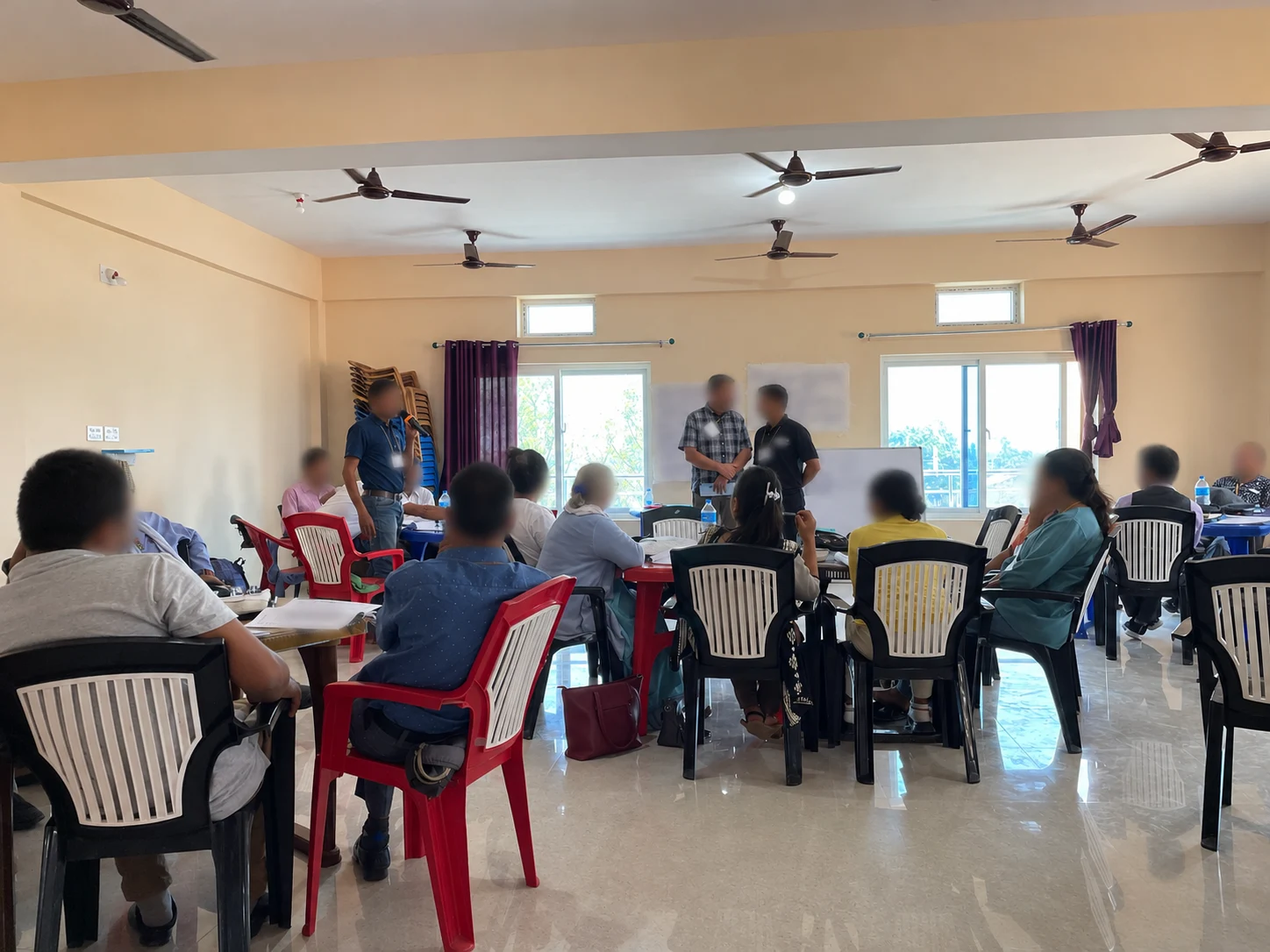
At Hope Over Crisis, we train, resource, and connect local churches so they can lead in a crisis and stay alongside their neighbors afterward. Some of these churches meet quietly because of persecution. They’re often overlooked, yet they know the families, the language, and the risks people face. When churches prepare together, they can share resources and lead the next response themselves.
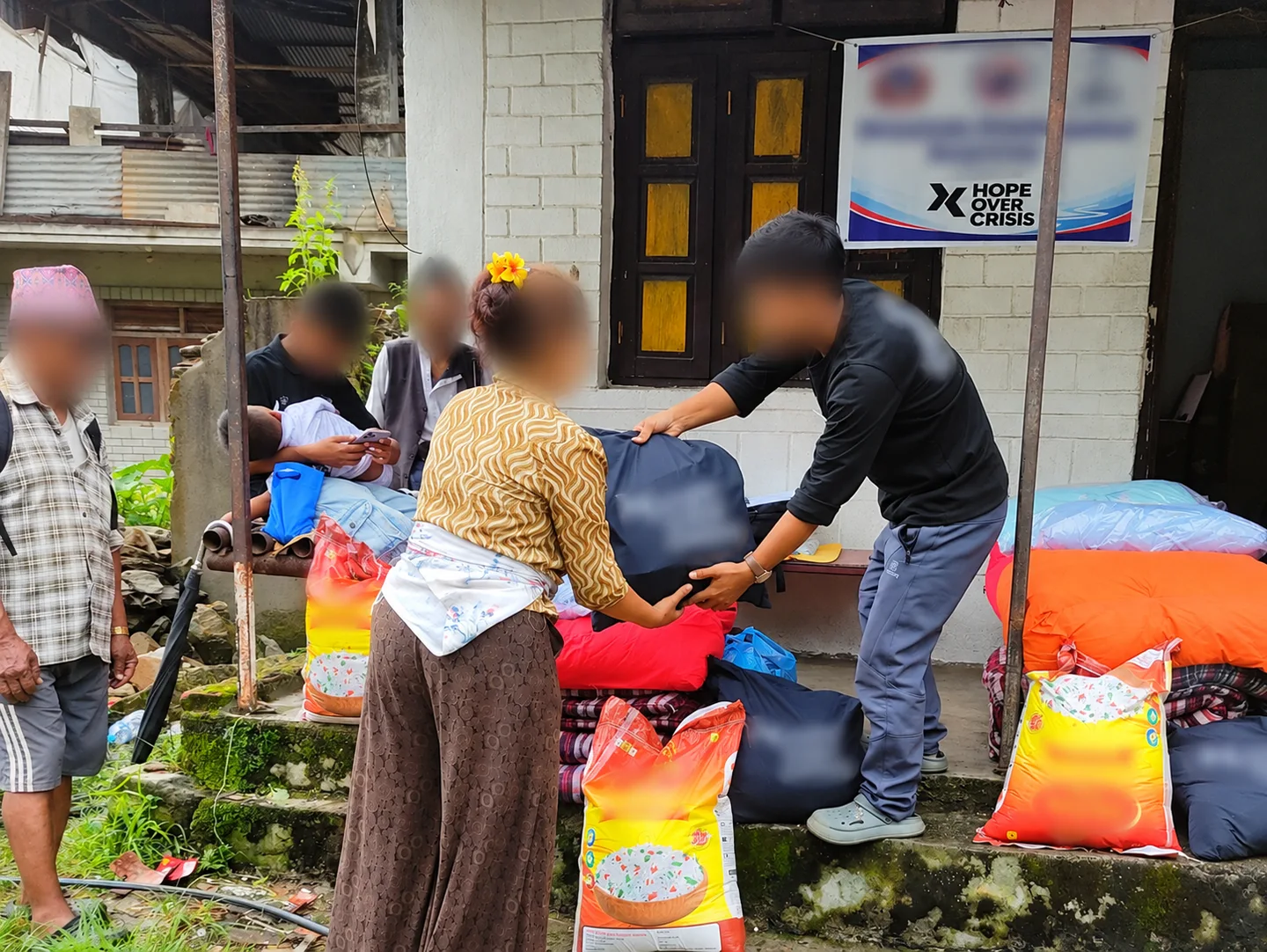
In many of the places where we serve, professing faith in Jesus offers no material or social advantage. It can cost someone their livelihood, their place in their family, or their safety. A change of clothes, a few meals, blankets, and a tarp can help a family get through the week. They can be grateful for every bit of it and still know that publicly identifying with Jesus could cost them nearly everything.
That’s why I think in terms of discipleship. Sharing the gospel is part of that. So is listening, answering hard questions, and walking with people as they come to understand who Jesus is and what following him means. When someone does profess faith, there’s a whole life of following Jesus ahead of them. The local church is there to walk with them through it.
God showed us.
“God shows his love for us in that while we were still sinners, Christ died for us” (Romans 5:8). He loved us first. That’s where our love for others begins.
Through these churches, we want people to see and hear about King Jesus. And a family’s access to help never depends on listening to a gospel presentation, attending church, or making a profession of faith. If a neighbor never asks a single question about Jesus, we still want that neighbor to have clean water. If they ask six months later, we want a local believer they know to be there to listen, speak honestly, and keep walking with them.